
Plastic Boat vs Aluminium Boat: The Complete NZ Buyer’s Guide
An honest, side-by-side comparison of HDPE plastic boats and aluminium boats — durability, maintenance, noise, fishing, family use and value — for New Zealand conditions.
Choosing the right boat is about more than price or looks. It’s about how it performs on the water, how easy it is to own, how much maintenance it needs, and how well it suits the way Kiwis actually use their boats.
In New Zealand, aluminium boats — “tinnies” — have been the default for decades. They’re familiar and widely available. But more boaties are now looking at HDPE plastic boats as a quieter, lower-maintenance alternative. Neither material is right for every buyer, so this guide compares them honestly across the things that actually matter on the water.
Best for HDPE plastic boats
- Quiet fishing and family boating
- Low-maintenance ownership
- Saltwater use without hull corrosion
- Beach launching, lakes, harbours and coastal trips
Best for aluminium boats
- Traditional alloy boat buyers
- Lowest entry-level tinnie pricing
- Very wide model range
- Larger offshore alloy setups
What Is a Plastic (HDPE) Boat?
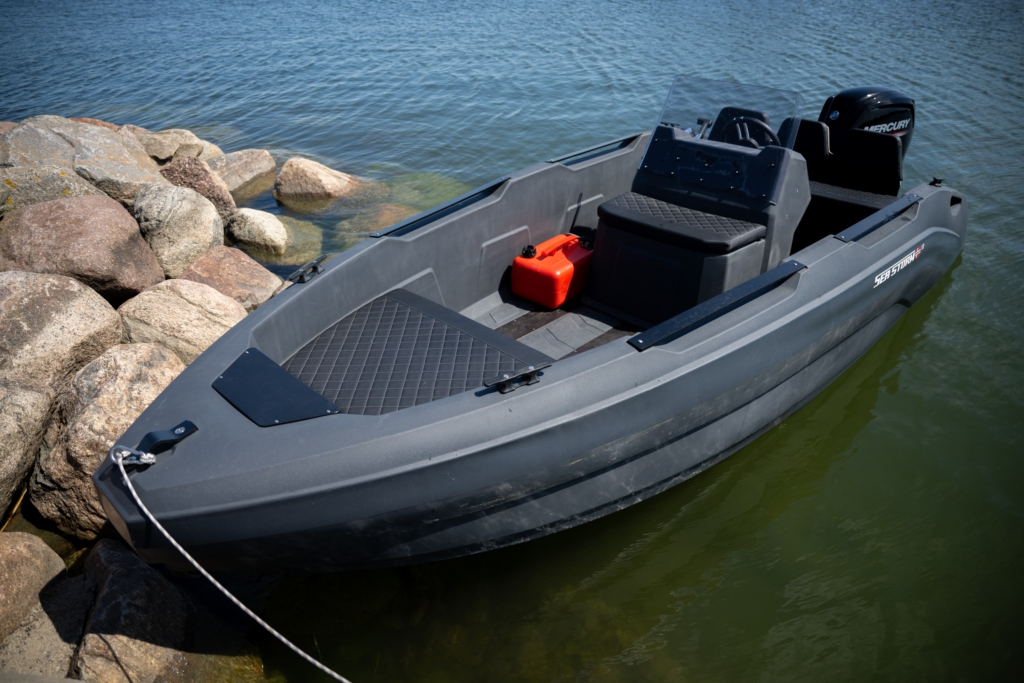
When people search “plastic boat NZ,” they could mean anything from a basic dinghy to a fully moulded performance hull. Sea Storm boats sit at the serious end of that spectrum: rotomoulded from HDPE — high-density polyethylene — a tough, impact-resistant marine material that’s well suited to New Zealand conditions because it’s strong, naturally buoyant, corrosion-resistant, quiet on the water, and easy to maintain.
Sea Storm’s three models: The Sea Storm 12, Sea Storm 14, and Sea Storm 17 — are designed to perform like proper trailer boats: stable handling, outboard power, and practical layouts for fishing and family use.
What Is an Aluminium Boat?
An aluminium boat — a “tinnie” — is made from welded or riveted marine-grade aluminium sheet. They’re popular because they’re strong, relatively light, widely available, and familiar to Kiwi boaties, with decades of local dealer and resale history behind them.
They’re commonly used for fishing, lake boating, inshore trips, and family boating. The trade-offs: aluminium hulls can be noisier underway, can dent on impact, and need regular care to manage corrosion in saltwater — though plenty of well-maintained tinnies last for decades.
Quick Comparison
| Feature | Plastic / HDPE Boat | Aluminium Boat |
|---|---|---|
| Durability | Highly impact-resistant, one-piece moulded hull | Strong, but can dent; performance depends on build quality |
| Maintenance | Very low — rinse and go | Low to moderate — needs regular saltwater care |
| Noise | Naturally quieter and dampens vibration | Can be noisy, especially in chop |
| Upfront price | Mid-range | Often cheaper at entry level |
| Repairability | Very durable, but specialist repair if deeply gouged | A local welder can usually reshape or patch a dent |
| Size range available | Compact to mid-size Sea Storm 12–17 range | Wide range, including large offshore boats |
| Saltwater use | Won’t rust or corrode | Needs rinsing and corrosion checks |
| Best for | Low-maintenance fishing, families, lakes and coastal use | Traditional buyers, larger offshore setups, rough utility use |
1. Hull Material and Construction
Plastic / HDPE boats
A Sea Storm hull is rotomoulded as a single piece from high-density polyethylene — no seams, rivets, or welds for water or corrosion to find a way into. It doesn’t rust, rot, or corrode, and it’s forgiving on impact.
Aluminium boats
Aluminium boats are welded or riveted from sheet metal. Done well, this produces a strong, proven hull — and one genuine advantage is that aluminium is easy for a local fabricator to repair if it’s dented or holed.
Bottom line: HDPE wins on corrosion resistance and forgiving impact handling; aluminium wins on local repairability if something does go wrong.
2. Maintenance
HDPE boats are easy to look after — rinse down after a day out and put the boat away. No rust, no osmosis, no paint chips or gelcoat cracks to chase. Aluminium is still simple to maintain by boat standards, but it asks more of you in saltwater: regular washing, and keeping an eye on fittings, welds, and contact points between metals.
Bottom line: if low-effort ownership is your priority, HDPE has the edge.
3. Noise and Ride Comfort
This is one of the most underrated differences. HDPE naturally absorbs sound and vibration, so there’s less hull slap and less noise moving around inside the boat. Aluminium hulls can amplify hull slap in chop and let gear and footsteps ring through the deck.
Bottom line: for a quieter day on the water, HDPE is the clear choice.
4. Durability and Impact Resistance
Both materials are durable, but they fail differently. HDPE flexes and absorbs knocks rather than denting or cracking, which suits beach launching, rocky edges, jetties, and kids climbing in and out. Aluminium is strong but can dent visibly on hard impact, though it is usually easier to repair locally.
Bottom line: HDPE shrugs off everyday knocks better; aluminium is more straightforward to repair if it does take real damage.
5. Weight and Towing
Both materials can produce an easy-to-tow boat — it depends more on the specific model than the material. The Sea Storm range is built to be practical to tow with a mid-size family vehicle: the Sea Storm 12 is around 200kg, the Sea Storm 14 around 260kg, and the Sea Storm 17 around 380kg. Many aluminium tinnies are similarly light, though larger aluminium boats with cabins and bigger engines can get considerably heavier.
Bottom line: roughly a tie — check the specific model’s weight rather than assuming based on material alone.
6. Fishing Use
HDPE boats are well suited to fishing: quiet, stable, and easy to clean after bait, fish, and wet gear. The quieter hull is genuinely useful in shallow water where noise can spook fish. Aluminium remains extremely popular for NZ fishing — tough, familiar, and available in a huge range of layouts, including bigger offshore-capable rigs that HDPE in this size class does not compete with.
Bottom line: choose HDPE for a quiet, low-maintenance fishing boat in the 12–17ft range; choose aluminium if you need a larger or offshore-capable layout.
7. Family Boating
For families, stability, comfort, and ease of ownership matter most. The Sea Storm 14 seats up to 6 and the Sea Storm 17 up to 8, and the quieter, softer ride tends to suit kids and less experienced passengers well. Aluminium boats are practical family boats too, but ride comfort varies more by model and can feel harsher in chop.
Bottom line: HDPE is a strong pick for easy, low-stress family days out.
8. Performance
Performance comes down to hull design, weight, and power, not just material. The Sea Storm range is designed for stable, efficient everyday performance with modest horsepower. If outright top-end speed or a specific offshore alloy setup is the priority, aluminium has a far wider range of high-performance options to choose from.
Bottom line: choose HDPE for efficient, stable everyday performance; choose aluminium if maximum speed is the deciding factor.
9. Saltwater Use
HDPE doesn’t rust or corrode, which is a genuine advantage for NZ saltwater boating — though you’ll still need to look after your outboard, trailer, and fittings regardless of hull material. Aluminium is common in saltwater and holds up well, provided owners rinse thoroughly and stay on top of corrosion checks around fittings and welds.
Bottom line: HDPE needs less hull-specific care in saltwater.
10. Price and Long-Term Value
Entry-level aluminium tinnies are often cheaper to buy outright, and aluminium’s long resale history in NZ means a wider pool of buyers down the track. Where HDPE tends to win is total cost of ownership — less time and money spent on upkeep, and no corrosion risk to factor into resale condition.
Bottom line: aluminium can win on purchase price; HDPE can win on lifetime cost. Which matters more depends on your budget and how long you plan to keep the boat.
Which Should You Choose?
Choose a plastic HDPE boat if you want:
- A quiet boat
- A low-maintenance boat
- A corrosion-free hull
- A stable family boat
- A practical fishing boat
- A modern alternative to an aluminium tinnie
Choose an aluminium boat if you want:
- A traditional alloy boat
- The lowest entry-level price
- The widest range of sizes
- A larger offshore setup
- A familiar resale market
- Local aluminium repair options
See the Sea Storm range
SeaStorm 12
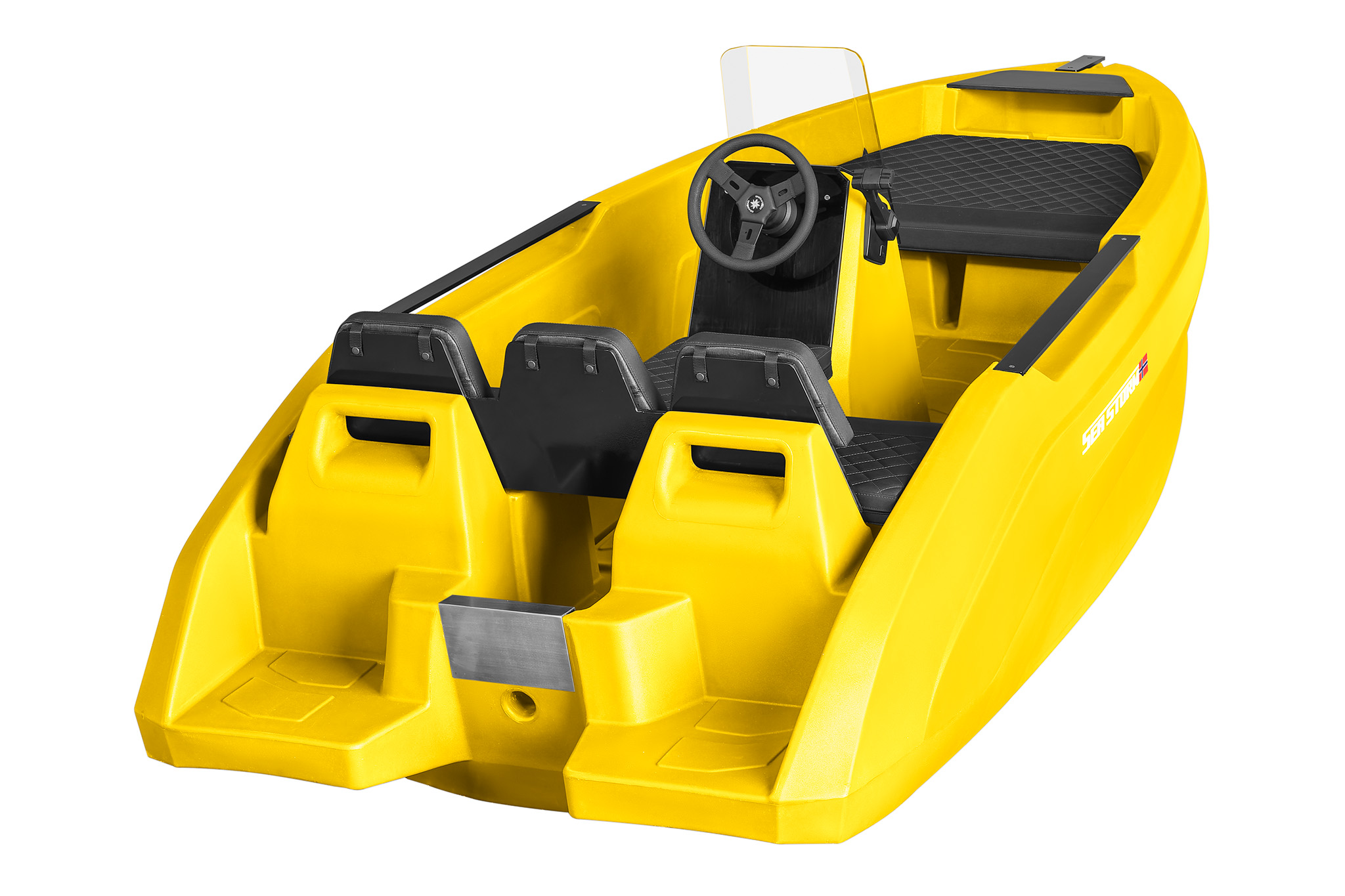
Recommended motor: 20-30HP
Weight: 200kg
Length overall: 3.66m
Max People: 4
SeaStorm 14
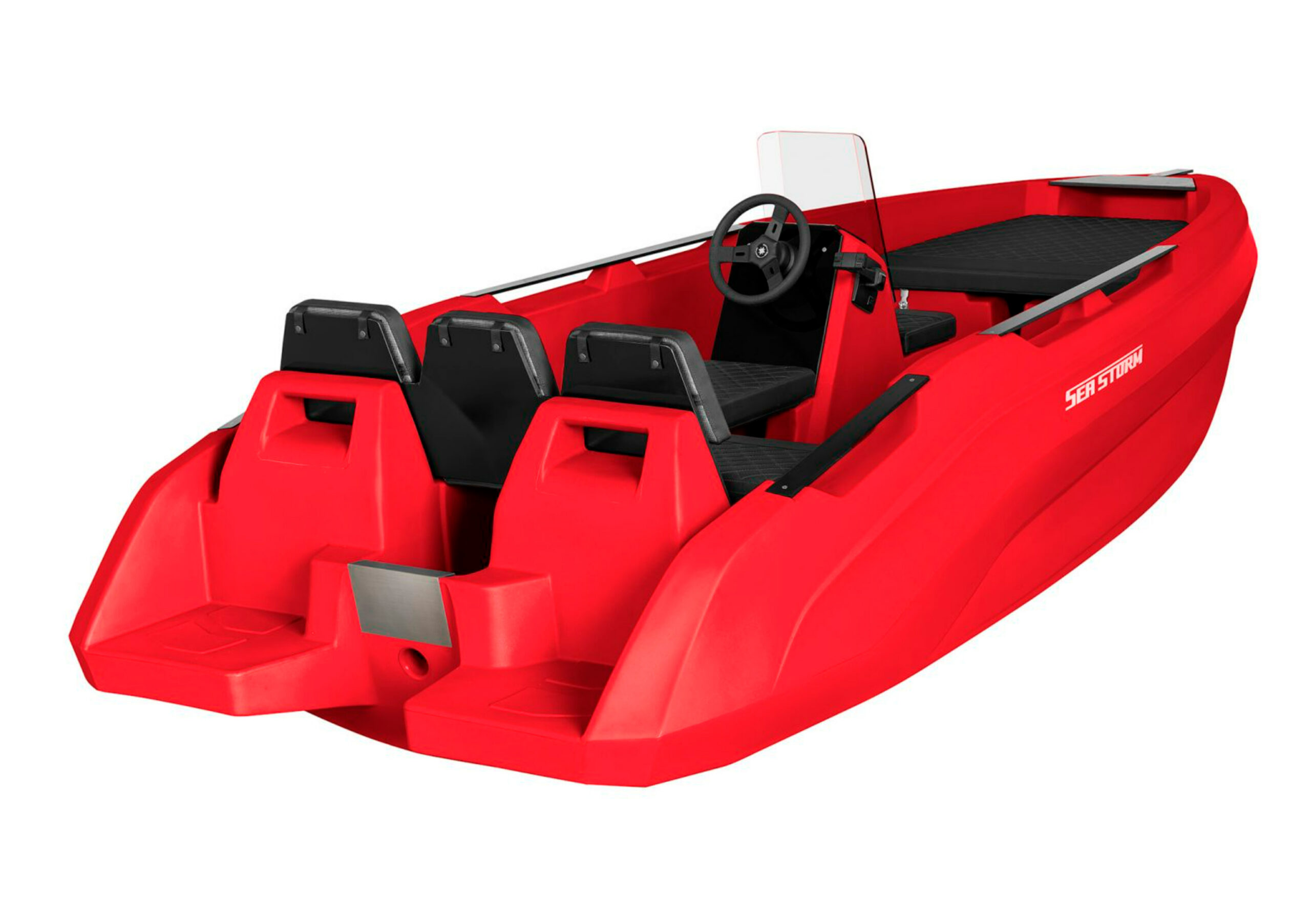
Recommended motor: 30-40HP
Weight: 260kg
Length overall: 4.27m
Max People: 6
SeaStorm 17
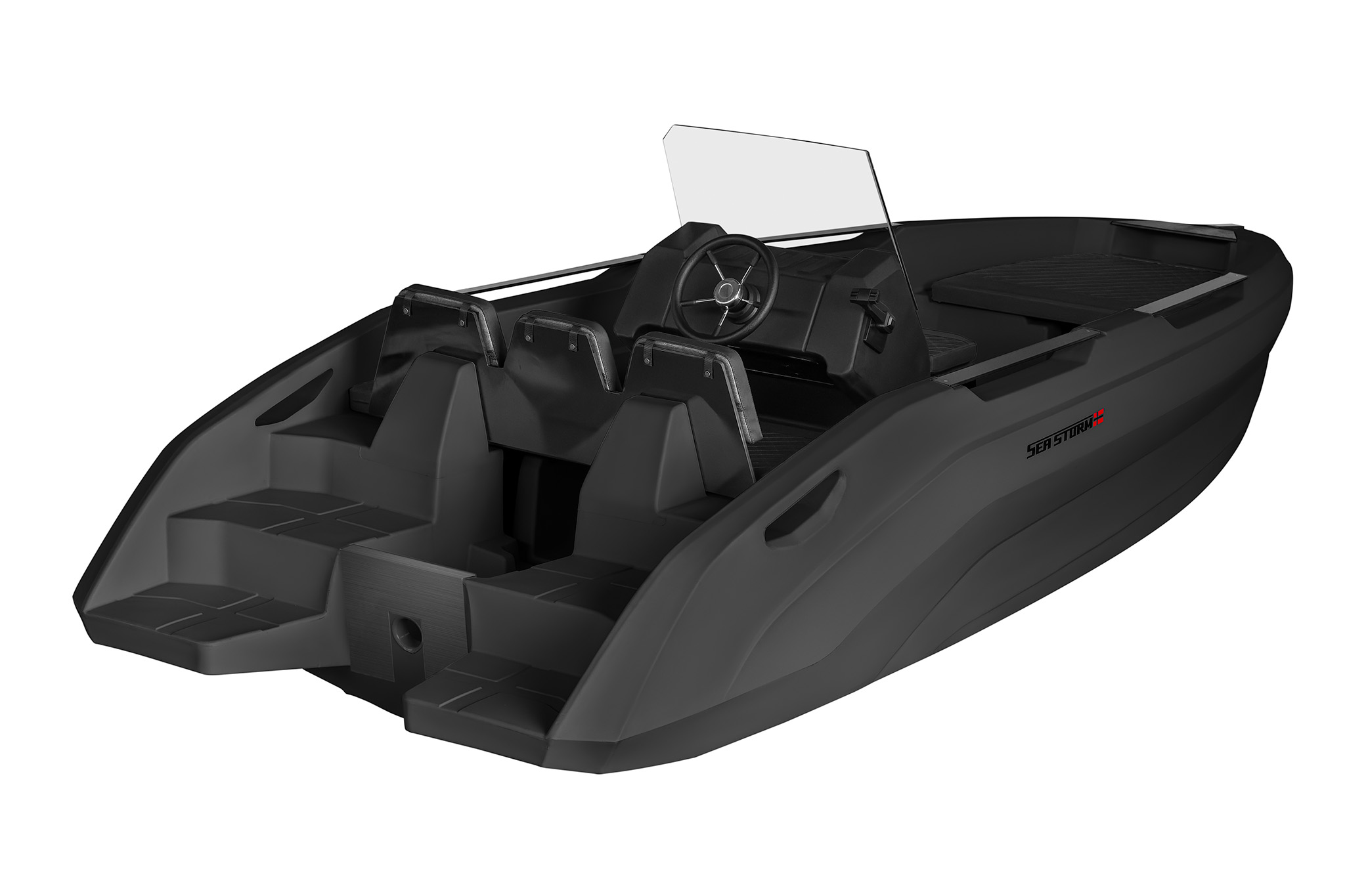
Recommended motor: 50-75HP
Weight: 380kg
Length overall: 5.2m
Max People: 8
Frequently Asked Questions
Are plastic boats any good?
Yes. Modern rotomoulded HDPE boats are a different category from a basic plastic dinghy — strong, quiet, stable, and low maintenance, and well suited to fishing, family boating, and inshore coastal use.
Are HDPE boats better than aluminium boats?
HDPE has the edge for low maintenance, corrosion resistance, noise, and impact forgiveness. Aluminium has the edge for entry price, repairability, and the range of larger or offshore-capable models available. Which is better depends on your budget and how you boat.
Are plastic boats good for saltwater?
Yes — HDPE won’t rust or corrode in saltwater. You’ll still need to maintain your outboard, trailer, and fittings as you would on any boat.
Are plastic boats good for fishing?
Yes. A quiet, stable, easy-to-clean hull suits bait, fish, and wet gear well, and the reduced hull noise can be an advantage in shallow water.
Are aluminium boats noisy?
They can be, compared with HDPE. Hull slap, vibration, and gear noise are common observations from aluminium boat owners, particularly in choppy conditions.
What’s the best small boat for fishing in New Zealand?
It depends on where and how you fish. For inshore, lake, and harbour fishing in the 12 to 17 foot range, a quiet, low-maintenance HDPE boat like the Sea Storm range is a strong option; for offshore or larger setups, aluminium has more choice.
What’s a good alternative to an aluminium tinnie?
A Sea Storm HDPE boat offers the same simple, practical appeal as a tinnie, with less noise, less maintenance, and no hull corrosion to manage, within the 12 to 17 foot size range.
World-proven boats. Built for NZ waters.
Sea Storm boats are available in New Zealand through Auckland Marine Centre & Boat City Wellington.